

Written by John Face
July 5, 2023
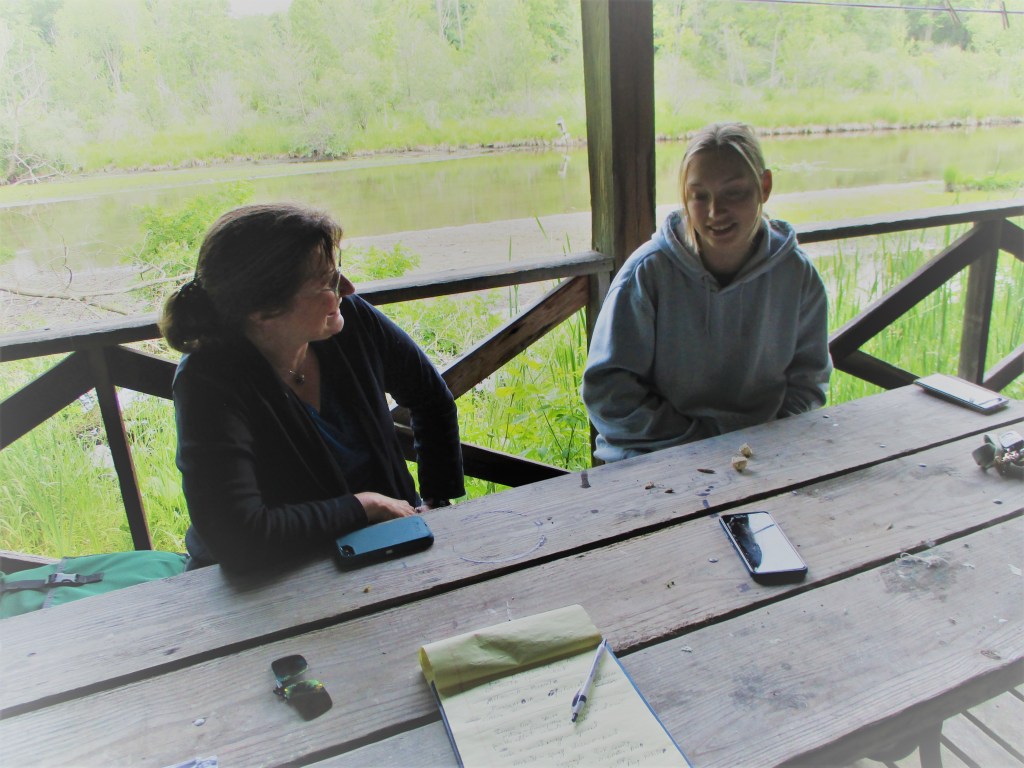
As I sat and spoke with Rae Baker, a Senior this fall at Albion College, and her Biology Professor, Dr. Sheila Lyons-Sobaski, one thing was clear, they are concerned. We ran into each other a few weeks ago at the Foundry Bakehouse. After a short discussion, I discovered Baker was working on a project to identify and help eradicate an invasive plant.
Aggressive Invasive Plant
Persicaria perfoliata, also known as Mile-a-Minute, is an invasive species from India, Eastern Asia, and the islands from Japan to the Philippines. “It has been in the United States since being discovered in the late 1930s in York County, Pennsylvania, and work has been underway to control its spread,” said Baker. It has been primarily seen in Virginia, New York, Ohio, and Oregon and not in Michigan, that is, until 2020.
Dr. White Discovers Species in Michigan
Dr. Doug White, a retired Biology Professor at Albion College, was at Albion College Whitehouse Nature Center in 2020 when he came across the weed, making Albion ground zero in Michigan for being the first in the state it was confirmed to exist. Since then, College staff and students have been studying and working on eliminating the Mile-a-Minute from the area. Lyons-Sobaski said, “More locations have been found locally of Mile-a Minute by other groups.”
The plant is aggressive in its growth, and as a vine spreads quickly and engulfs plant vegetation, “it out-competes them,” said Baker, “starving them from the sun and resources needed for life.” She continued, “If those plants get killed by Mile-a-Minute, it affects other species and animals who may rely on them.”


Free Elimination by Experts
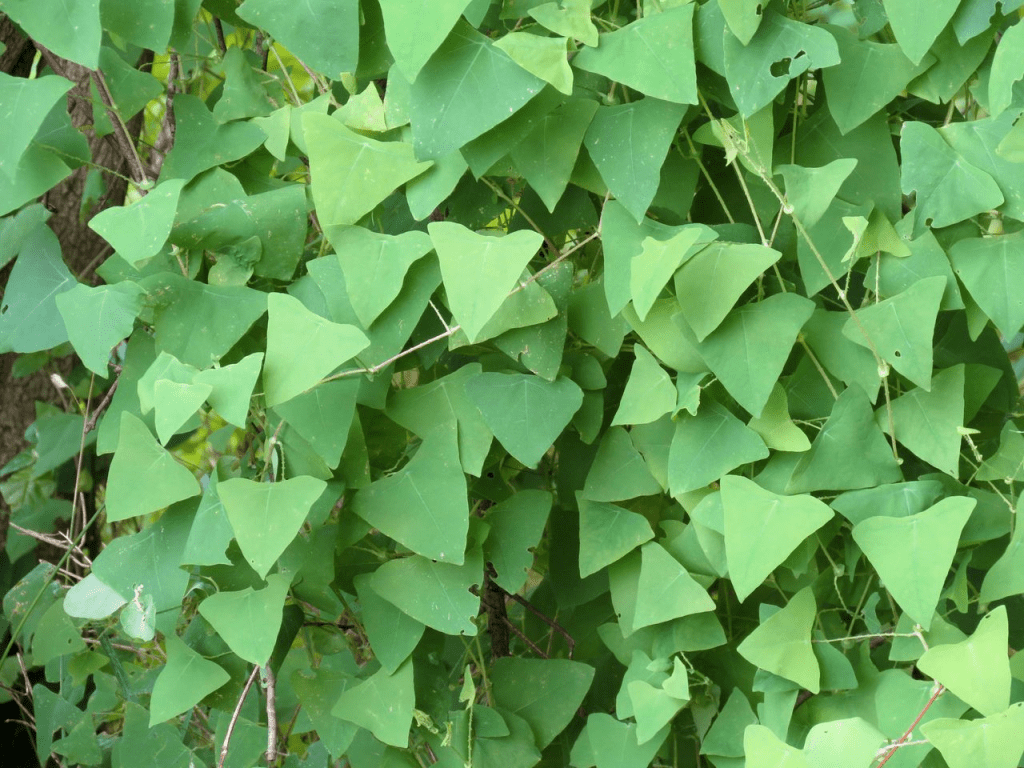
As best they know, the plant is safe for humans to touch. Except for the nasty barbs on it, as seen in photos, it will hurt if you grab it without gloves. When asked how to kill or control it, Baker said, “Herbicides are what is being used.” Lyons-Sobaski said that careful application of herbicides by experts is being used in the county to control the spread of this species.
Baker said, “Experts use a 2%, or full strength, herbicide solution. I tried using, as an experiment, half solution of herbicide or 1%, it hasn’t been effective, so they will continue going full strength.” Though both Lyons-Sibaski and Baker would prefer not to see herbicides used, it is what works.
The plant starts flowering now into August, producing berry-like fruits. The goal is to get rid of the plant before they see the berries, as those berries readily fall to the ground and seed new plants. Baker told me they think animals spread the berries as they eat them and spread them through their feces.
How We Can Help
I asked what we, the public, could do if we came across the plant. Can we pull the vine out as a way to control it I asked? Lyons-Sobaski and Baker said yes, as long as it is before the berries are on the vine. They showed me a vine they had pulled the day before, and its leaves are very distinct, as the photos show.
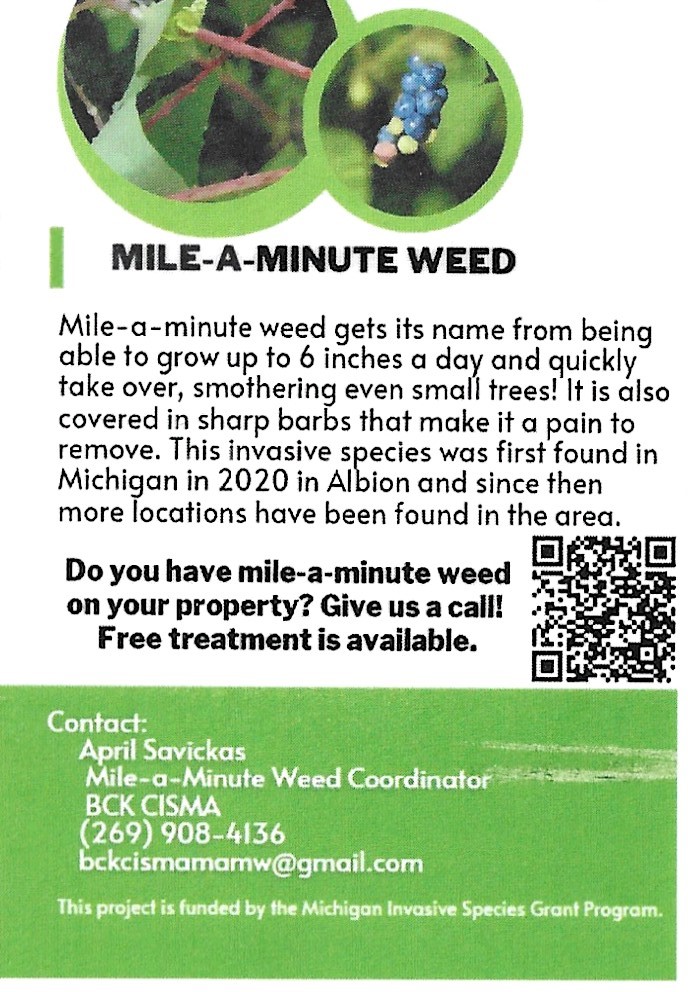
“You should also report when you come across the Mile-a-Minute vine.” Lyons-Sobaski said, “Given the recent postcard sent by BCK-CISMA (see front and back below), I would encourage people to call April Savickas, Mile-a-Minute Weed Coordinator via phone (269-908-4136) or email (bckcismamamw@gmail.com). Free treatment is available.”
Should you find the vine during your walks in the Nature Center, let staff know as you may have found a new area.”

Have a tip or an idea for City Watch NEWS? Email us at citywatchnews1@gmail.com
 City Watch News Blog
Leave a comment